
Hot-lobby slot briefing
Charge Buffalo: Demo, Features and Mobile Play
Charge Buffalo is a hot-category slot record on phw built around a stampede-style reel rhythm and bold animal symbols. This page explains how to read the interface, what a Charge Buffalo Demo can teach, and how phw wallet habits should stay separate from the excitement of a single round.
What should you notice first in Charge Buffalo?
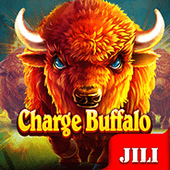
The Charge Buffalo Demo is the safest place to answer layout questions: where the stake control sits, how quickly a round resolves, and whether the balance and exit cues stay visible when the reel animation intensifies. A demo teaches navigation; it does not prove that the next buffalo symbol will land.
On phw, a phw game tile like this is an entertainment record, not an income plan. phw Charge Buffalo guidance should keep the stake fixed, the session timed, and the cashier closed until the planned block ends. That boundary protects both attention and budget.
Which Charge Buffalo visuals help before you spin?
These local images act as a compact gallery for mobile inspection. Use them to check icon contrast, banner readability, and whether the Charge Buffalo tile is easy to spot inside a crowded hot shelf before you commit time or funds.

If you prefer a feature-led comparison after scanning the gallery, the Magic Ace Wild Lock feature guide explains how a lock-style moment reads on a small screen. Gallery inspection and feature reading are two different learning tasks.
What Charge Buffalo milestones are worth tracking?
Charge Buffalo achievements here mean experience checkpoints, not guaranteed payouts. Track whether you understood the controls, kept the session inside its budget, and could describe the stampede-style rhythm without treating it as a prediction tool.
Players who want a calmer round-flow reference often read the Lucky Neko round-flow guide next. It treats a slot as a sequence of bounded decisions rather than a chase for one symbol pattern.
What beginner notes matter most for Charge Buffalo?
Start with three practical notes: open the Charge Buffalo Demo before funding, write down your time and amount limits, and treat every spin as independent. Beginners often confuse a dramatic buffalo animation with a signal to increase the stake; that is the habit this page tries to prevent.
Should I learn controls in demo or paid mode?
Use demo first. The Charge Buffalo Demo exists to answer interface questions without mixing them with wallet pressure.
How does phw wallet fit in?
Fund once for the planned block, then keep the cashier closed. A phw wallet top-up in the middle of a session usually means the original plan was too large or too vague.
Is phw game selection the same as strategy?
No. Choosing a phw game record is a category decision. Strategy is how you manage time, stake, and attention after you enter.
For a high-energy ace-style alternative with a different visual tempo, see the Mega Ace overview. Compare pace and readability, not imagined streaks.
Which Charge Buffalo decision checklist should you run first?
Run this quick checklist before opening a paid round: demo completed, stake chosen, timer set, cashier closed, and exit action named. If any item is missing, the correct next step is preparation—not another spin.
When every row reads yes, a short phw Charge Buffalo session can stay intentional. When one row reads no, fix the plan first. That is the entire purpose of the checklist.
How does a Charge Buffalo visit look from start to finish?
This step summary keeps the route short: inspect, decide, play inside the frame, then review without reloading immediately.
Open and inspect
Launch the Charge Buffalo Demo, confirm the tile icon matches the hot record, and note whether the reel field feels readable at your usual brightness setting.
Set the frame
Choose stake, duration, and a single phw wallet deposit that fits the block. Write the numbers down so emotion cannot rewrite them mid-session.
Play inside the line
Spin only within the agreed frame. If the stampede animation speeds up your decisions, slow down or stop—do not treat urgency as information.
Review and close
At the checkpoint, review whether controls stayed clear and whether the plan held. The correct response to a urge-to-recover feeling is a break, not another block.